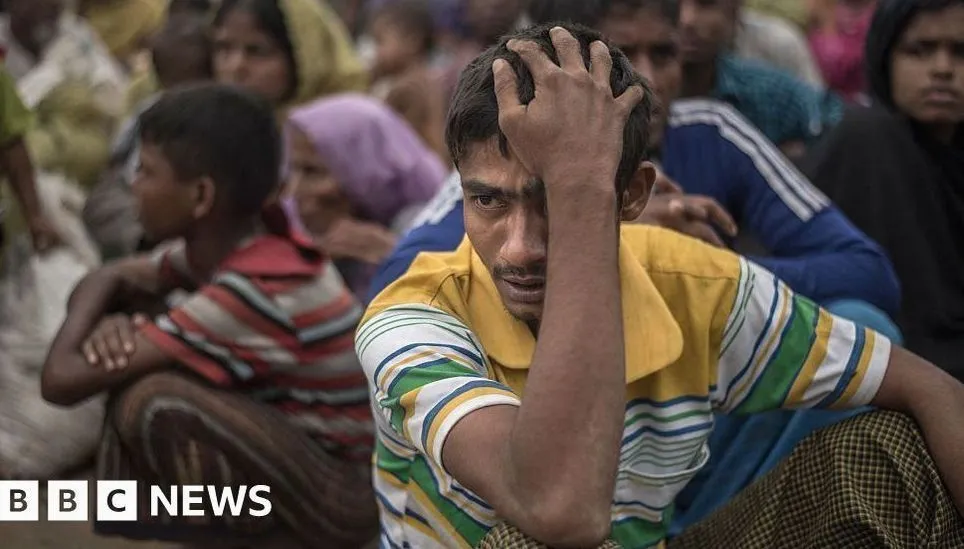
In a moment of profound historical significance, the International Court of Justice has ruled that Myanmar committed genocide against the Rohingya people. This decision marks the first time a state has been found to violate the 1948 Genocide Convention, providing a sense of justice that has remained elusive for years. In refugee camps across Bangladesh, where over a million people live in precarious conditions, crowds gathered around screens to witness the announcement. For many, the verdict validates the horrific accounts of mass murder, rape, and the systematic burning of villages during the brutal crackdown in 2017.
Beyond the emotional weight for survivors, the ruling serves as a critical legal precedent regarding how genocide is proven in an international court. Proving intent is notoriously difficult because governments rarely leave paper trails of their murderous objectives. However, the court determined that genocidal intent could be inferred from a consistent pattern of conduct. By ruling that atrocities cannot be explained solely through lenses like counterinsurgency or self defense, the judges have clarified that a combination of actions can collectively signal an intent to destroy a specific ethnic or religious group.
This clarification has immediate and far reaching implications for other ongoing cases at The Hague, most notably South Africa’s accusation that Israel committed genocide in Gaza. Legal experts suggest that had The Gambia failed in its case against Myanmar, it might have effectively shut the door on similar claims elsewhere. While this victory does not guarantee a similar outcome for Palestine, it establishes a clear evidentiary standard that future litigants must meet. It suggests that international law still possesses teeth even in an era dominated by powerful leaders who often disregard global norms.
Despite the legal triumph, the reality for those displaced remains grim. The court lacks an enforcement arm to compel Myanmar to provide reparations or facilitate a safe return for millions of refugees living in misery. While the verdict places a permanent moral and legal stain on Myanmar’s record and reaffirms the post World War Two commitment to prevent such brutalities, it leaves victims waiting for tangible changes in their daily lives. For now, however, there is immense relief that the world has officially recognized their suffering as what it truly was: genocide.